Passenger
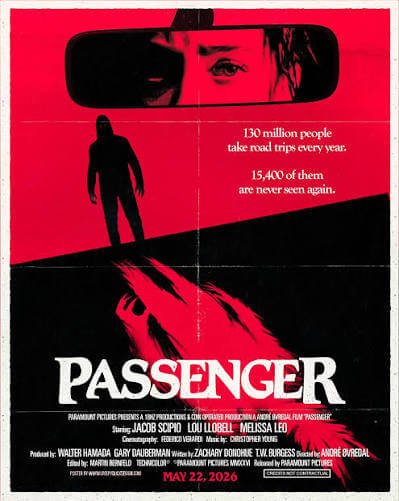
Director: André Øvredal
Date Created: 2026-05-22 22:08
3.5
Pros
- Jump scares
- Low-light cinematography prowess
- A central couple with real chemistry and a relationship worth caring about
- Sound design
- Creature mythology with genuine dept
Cons
- Breaks its own established lore
- The creature's visual design leans on a familiar archetype without meaningfully updating it
- A 48% Rotten Tomatoes score
- Best experienced in cinema or with headphones
Film Title: Passenger (2026)
Cast: Jacob Scipio (Tyler), Lou Llobell (Maddie), Melissa Leo (Diana), Devielle Johnson
Director: André Øvredal
Writers: T.W. Burgess, Zachary Donohue
Distribution: Paramount Pictures Production: 18hz
Release Date: May 22, 2026
Watched on: Streaming subscription
Review by: Mother of Movies
Skip to a Specific Section
This review of Passenger (2026) covers tone, atmosphere, and a few story mechanics without giving away the ending. The lore and creature mythology are discussed in general terms. A clearly marked spoiler section sits further down for those who’ve already made the trip.
Passenger (2026) — The Road Horror
The director behind Scary Stories to Tell in the Dark and The Last Voyage of the Demeter returns with Passenger, a highway horror from Paramount Pictures that throws out one fundamental truth: the scariest moments happen when you stop moving.
Passenger doesn’t waste time. Daniel steps out of a van on a dark highway to find a tree line, and by the time he gets back, everything has changed… for him, for his driver, Lucas, and for the couple who made the mistake of stopping at the wrong crash scene twenty minutes later.
The setup taps into just how vulnerable we are at night on an unfamiliar road. The execution works because Øvredal’s elevates material that could have been disposable.
For a film sitting at 48% on Rotten Tomatoes, it’s a more effective watch than that number implies, though the critics aren’t entirely wrong either. There’s a fault line running through it, and it’s structural. But we’ll get there.
What the Highway Horror Gets Absolutely Right
The jump scares got me. They worked for me, even though admittedly I’m a lightweight for that type of thing. When you’ve seen enough horror to have developed scar tissue, a genuine flinch response is still hard-won. The creature, a grey-haired, long-limbed spectre with the energy of something ancient and furious, isn’t visually the most original design you’ll encounter. But Øvredal shoots it in ways that make the familiar feel wrong. Torchlit forests, a van interior used in a way that appeases those that love a single location vibe and, a projector screen in the middle of the dark. These aren’t just locations, they’re setups, and every one of them pays off.
The sound design deserves its own sentence. When the creature is fully present, the noise surrounding it feels less like a score and more like being inside something enraged. Heavy impacts on the van roof, a wall of sound that closes in from every direction. It’s the kind of audio work that makes headphones a requirement, and a cinema screen would’ve made it something else entirely. Missing this one theatrically stings a little in retrospect.
The Couple at the Centre
Lou Llobell and Jacob Scipio are doing more than the script sometimes asks of them. Maddie and Tyler are a couple at a crossroads, she came from a difficult home and wants roots. He came from a difficult home and wanted to escape it, so the road became his answer. They love each other, but she’s started to have doubts about whether van life is a life she actually wants, and that tension is present in every scene before the horror fully takes over.
Tyler is written almost too well in giving off green flag energ He sets up an outdoor cinema in the woods, he listens, he adjusts, but Scipio plays him with enough warmth that it doesn’t tip into wish-fulfilment caricature. The proposal scene was nice because you’ve actually bought them as a unit. When he eventually sees the creature for himself and shifts into full protective mode, the dread of watching someone you like head towards danger is real.
The Lore Is Good… Until It Isn’t
The mythology around the Passenger is one of the film’s most detailed niche. If It Follows and Leviticus needed a third contender for an entity that marks you, this would be it. It even has a backstory: A road crew worker from the 1800s, known by name travellers whisper to each other about on certain stretches of highway. The Passenger is documented in roadside books kept by long-haul drivers who knew the rules: don’t stop, don’t engage, don’t let the marks appear on your vehicle.
The three-scratch mark as a death sentence is simple and effective. The vagrant sign system used to track the creature’s history, each symbol carrying meaning, uncovered through a book Maddie finds along the way, gives the world texture without over-explaining it.
So the lore is doing its job. Which is exactly why the moment it breaks its own rules lands like a flat tyre at speed.
A character, not marked, not a direct target, travelling in her own separate vehicle, is killed by the creature before the central couple have even left the campsite. The whole campsite clears out at their arrival, which tracks. But this death doesn’t. If the spirit marks its victims and follows them, it shouldn’t be reaching out and taking unmarked bystanders in their own cars. It’s not a minor inconsistency. It’s the kind of rule-break that makes you recalibrate everything you thought you understood about the threat, and not in a way the film intends.
One of the writers has The Den on their record, which is a tight, well-constructed found-footage film. Passenger is still a good film, I just wish it was better. If the spirit can kill unmarked victims, the rules don’t matter. If the rules don’t matter, the tension collapses.
Øvredal’s Fingerprints
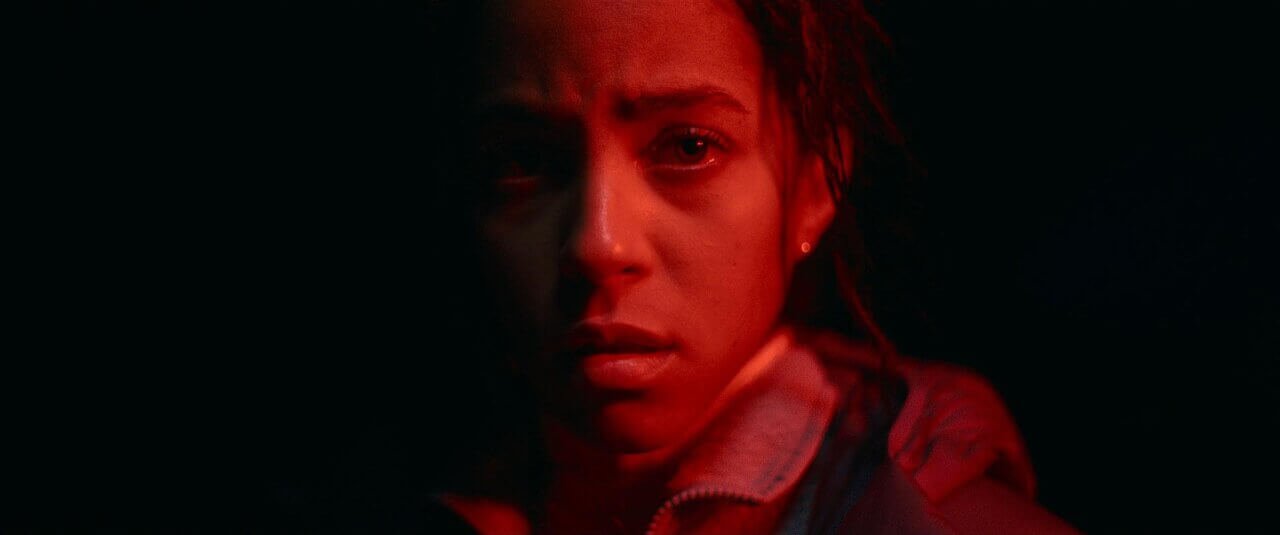
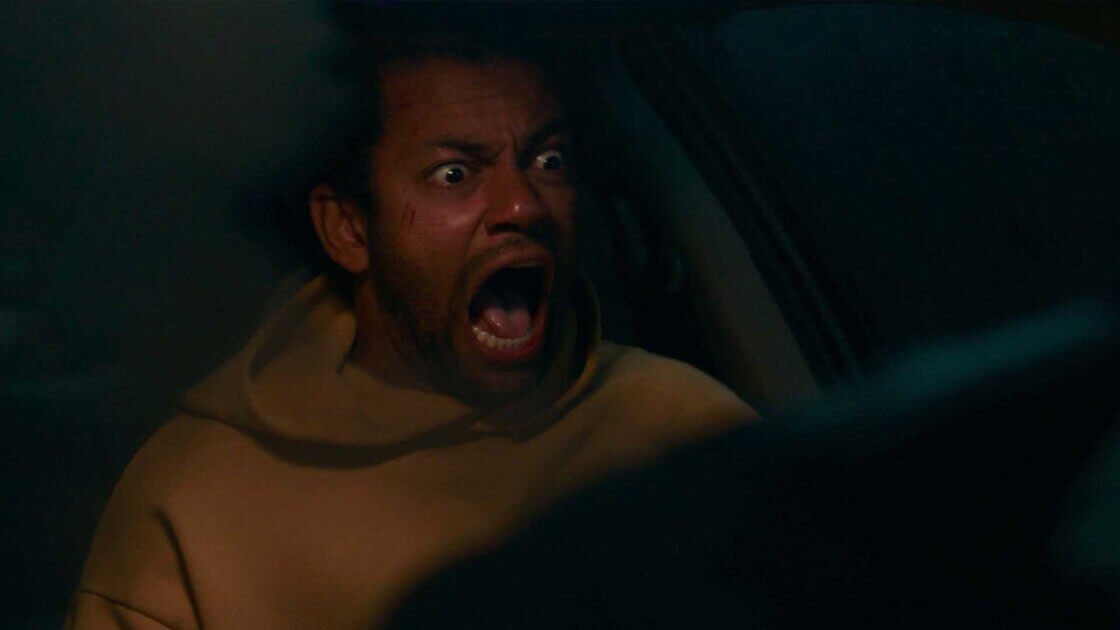
This is a director who knows what darkness is for. Every underlit frame in Passenger feels considered, the torchlight in the trees, the projector casting shapes onto canvas while something moves at the edge of the light. There’s a specific kind of dread in watching characters try to function normally in spaces that have already been compromised, and Øvredal stages that in a memorable way. The film looks like it was built for a cinema screen, and the streaming version, while still effective, carries the faint ghost of a bigger experience.
Who This Is For
If you scare easily, this is a very good night in. The jump scares are frequent enough to keep you on edge and well-timed enough to justify the tension built around them. If you’re a seasoned horror viewer, the aesthetic will hold your interest even when the script wobbles. The couple are worth spending time with, the creature is well-deployed even if not visually groundbreaking, and the road-horror subgenre hasn’t had something this committed in a while.
The 48% is harsh. It’s also not entirely wrong. But there’s a version of this film, with one scene rewritten and one rule respected, that sits comfortably in the 70s and becomes a genre recommendation. As it stands, it’s still worth the drive.
Passenger is rated
3.5 Unmarked Roads out of 5
Stylish, Scary, and Just a Little Off-Road
Passenger is a genuinely effective highway horror with jump scares that earn their keep and a visual language that makes every dark stretch of road feel like a trap. The couple at the centre are worth following, and Øvredal’s command of low-light tension is the real reason it works. Where it stumbles is in the writing. A lore that’s carefully built and then casually broken in a way that’s hard to unsee.
Streaming Options
Passenger is streaming on:
“The scares are good, it’s only the rulebook that has a few pages missing.”
— Mother of Movies
The Passenger Spoiler and Ending Explained
Mother of Movies: Spoiler Territory
The Lore, The Ending, and the Rule That Got Broken
Full mythology, the church sequence, and what the ending actually means for Maddie and Tyler: proceed only if you’ve already made the trip with Passenger (2026).
Similar Titles with Horror on the Road or an Entity that Marks you
- The Hitcher (1986) — The original highway horror template: a stranger, a road, and a threat that won’t stay behind you.
- It Follows (2014) — A transmitted curse with its own movement rules; the film Passenger most resembles in structure and dread logic.
- The Den (2013) — Co-writer T.W. Burgess’s tighter, leaner thriller; watch it to see what the lore-building in Passenger was reaching for.
- Leviticus (2026) — Two men discover that there is more to the churches powers than they anticpated.
- Duel (1971) — No supernatural element, or road but the same essential terror: something on the road has chosen you, and the reason doesn’t matter.
- Jacker Trilogy Tribute to independent filmmaker horror highway films made across decades.
- Anscestral Beasts (2026) — Monsters in old houses and family history secrets.
What Kind of Horror Movie Victim Are You Quiz
Results

You never had a plan. That was never really the point. Your cat clocked the noise before you did and legged it to see what was up, your dog wanted answers you didn’t have, and by the time you were alone with whatever was in the house, the only weapon you’d committed to was volume.
You screamed at the storm when the lights cut out. You screamed at deals you shouldn’t have taken. You screamed loud enough that the neighbours definitely heard, even if the house itself stayed indifferent to your fate. It wasn’t strategy, it wasn’t dignity, it was pure Casey Becker energy, alone in a big house, on the phone, finding out the hard way that “I’ll be right there” doesn’t count for much.
You didn’t survive the night. You made sure everyone remembers exactly how loud you tried.


While everyone else panicked, screamed, or swung blindly, you were already three moves ahead. You waited by the woods instead of chasing the sound, because real distress doesn’t sob on cue at 2am in the middle of nowhere.
You saw the wrongness and let it come to you instead, and it never did. You built traps before you needed them, and treated every unknown room, offer, or noise as a puzzle to be solved rather than a threat to be survived. This is pure Leaven-in-Cube energy, cracking the pattern nobody else could see fast enough to matter, staying calm because panic never got anyone through a locked door.
You didn’t always win. But you were never caught flat-footed, and out of everyone here, you’re the one who actually had a plan.
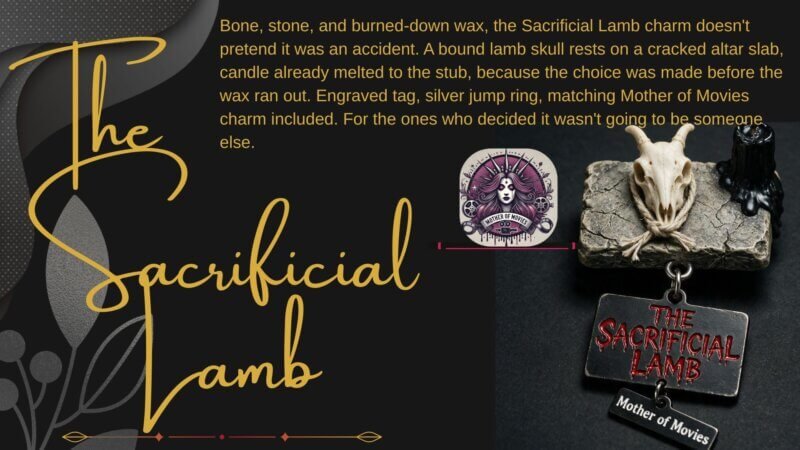
You were doing so well! Right up until the moment the story needed someone to hold the line, and something in you decided that someone would be you. Not an accident, not a trip in the dark, a choice, made fast, made on purpose, because the alternative was watching someone else pay for it instead.
This is David-from-Evil Dead-2013 energy: locking the door onthe person you loved most, staying on the wrong side of it yourself, and making sure the fire did the rest. You didn’t die because you were careless. You died because you decided, in the one moment that counted, that it wasn’t going to be someone else.


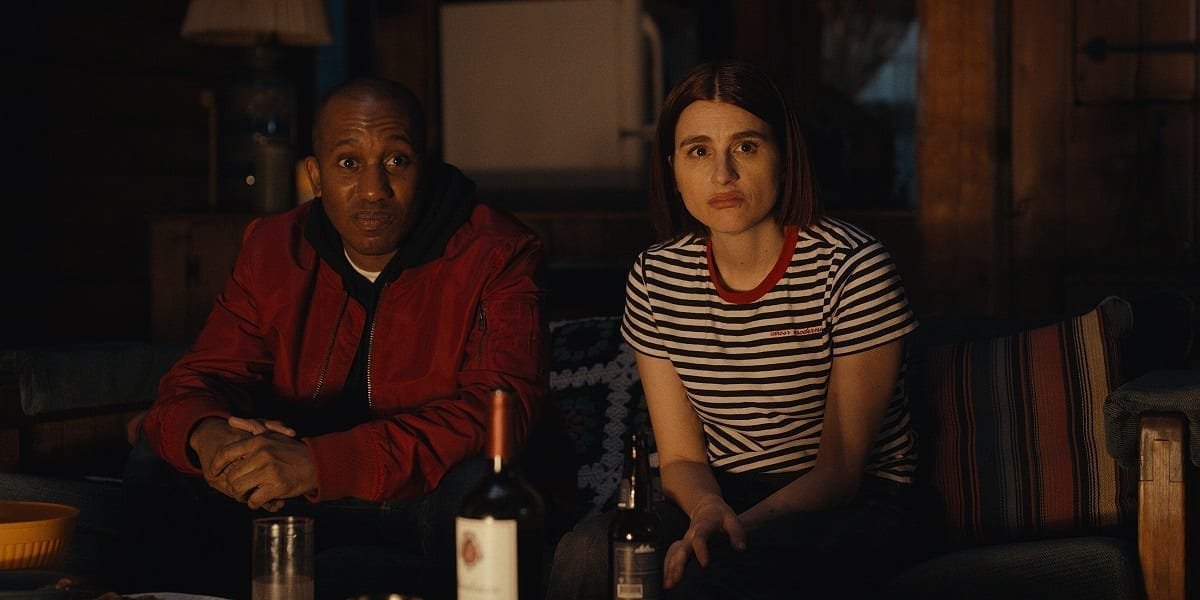
#1. You hear a strange noise in the middle of the night. What do you do?
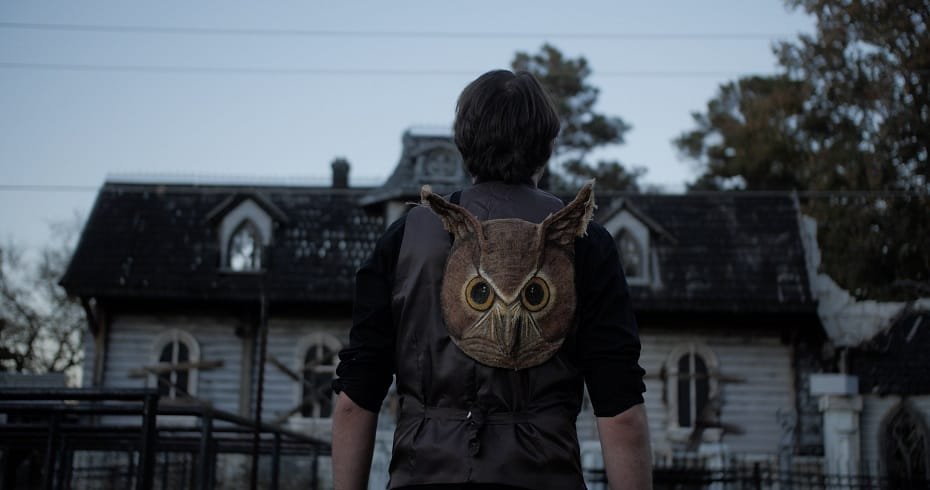
#2. You’re at a creepy abandoned house. What’s your first move?
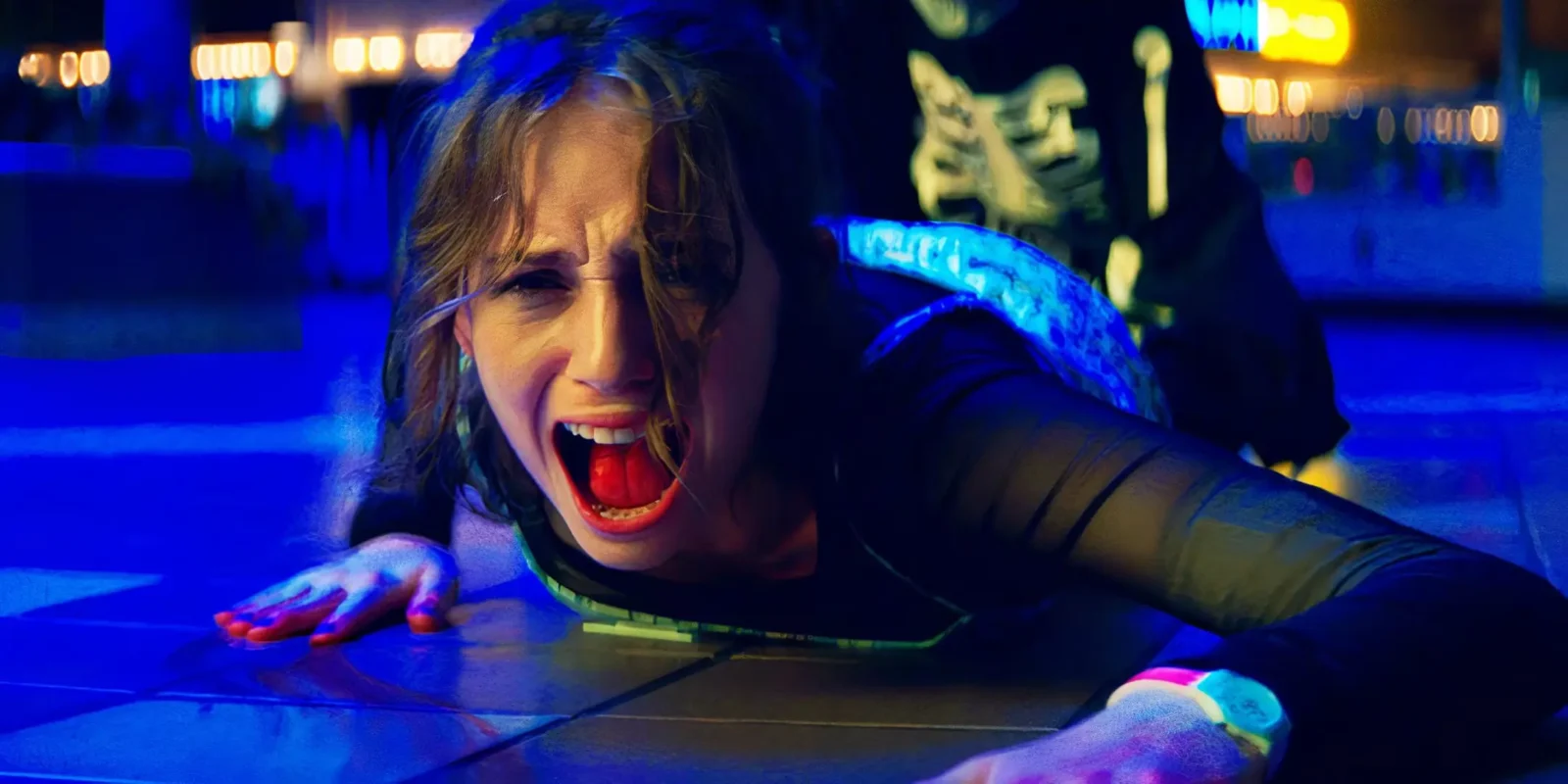
#3. The killer is chasing you! What’s your escape strategy?
#4. You find a mysterious book in the basement. What do you do?
![Scene from the draft! Directed by yusron fuadi], image courtesy of shudder](https://motherofmovies.com/wp-content/uploads/2026/02/Self-aware-horror-films-like-Cabin-in-the-Woods.jpg)
#5. You hear someone crying in the woods. What do you do?
#6. The power goes out during a storm. What do you do?
#7. A friend suggests using a Ouija board. What do you do?